

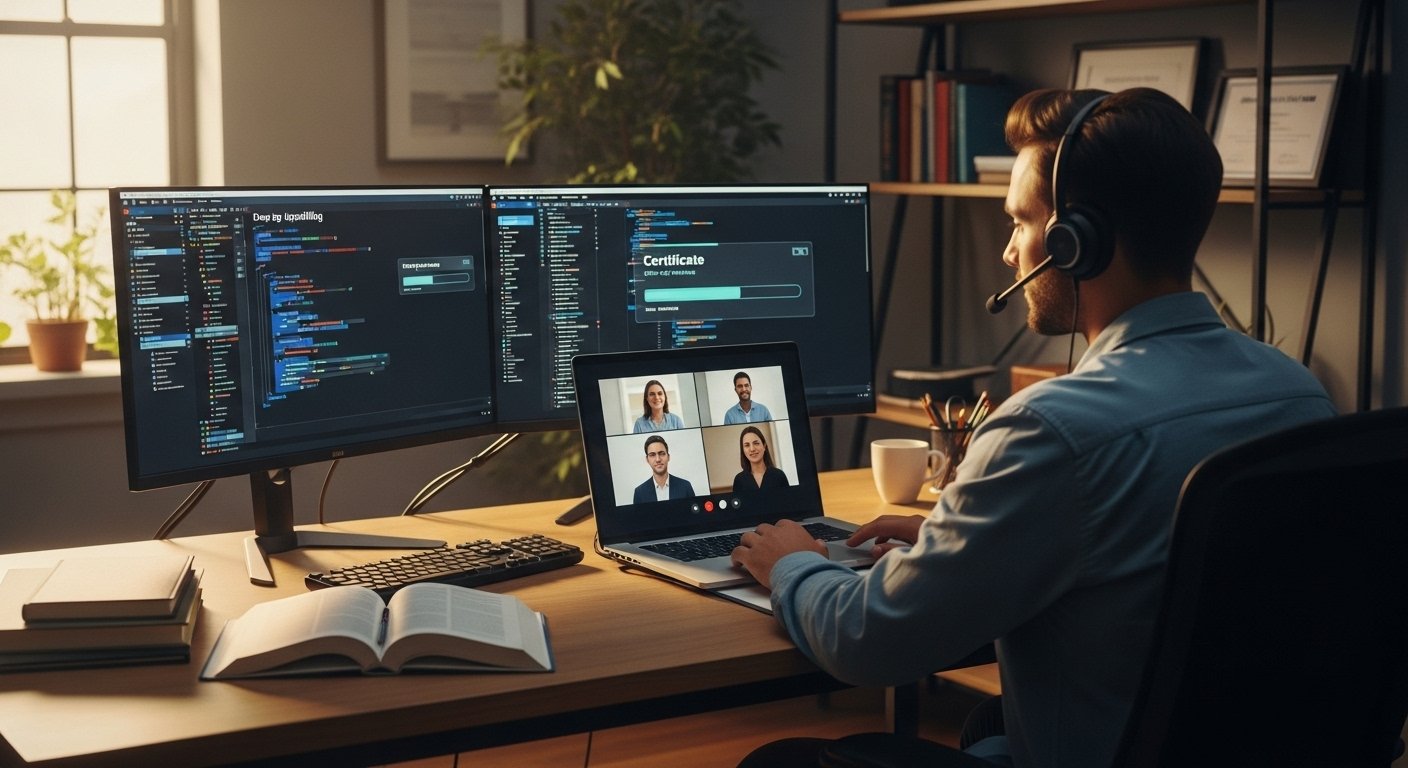

The job hunt today is a whole different beast than it used to be. You are likely juggling online courses and new certifications right now. Many people wonder, should I schedule interviews back-to-back while trying to learn new skills? It is a tough call that depends on your energy and your goals. You want to land that dream job without crashing and burning. This guide will help you figure out the best way to manage your time.
The Intersection of Upskilling and Career Advancement
The modern world moves fast and you have to keep up. Continuous learning is no longer just a cool extra thing to do. It is a requirement if you want to stay relevant in tech or business. You are likely building a portfolio while also hitting the pavement for interviews. Balancing these two massive tasks takes a lot of mental grit.
The challenge is real when you try to learn and interview at once. Learning a new skill takes deep focus and quiet time. Interviewing takes high energy and a loud, confident personality. Trying to do both in the same day can feel like a circus act. You need a plan that keeps your brain sharp and your spirit high.
Back-to-back interviews are becoming the new standard in many big industries. Companies want to move fast and they expect you to be ready. They might not realize you spent all night finishing a coding project. Understanding how to bridge this gap is the key to your success. It is about working smarter instead of just working harder.
Understanding Back-to-Back Interview Scheduling
A back-to-back schedule is basically a marathon for your mouth and brain. You meet one person and then jump right into the next call. There is usually very little time to breathe or grab water. It is an efficient way to get through a lot of people fast. But it can also leave you feeling totally drained by noon.
Digital tools have made this way of interviewing super easy for companies. They just click a button and fill up your whole afternoon. Since you don’t have to drive anywhere, they think you are always free. This puts the pressure on you to set clear boundaries for yourself. You have to be the boss of your own calendar.
Moving from a learner mindset to a candidate mindset is a big shift. As a learner, you are humble and soaking up new info. As a candidate, you have to be the expert and sell yourself. Doing this flip-flop multiple times a day is very tiring. You need to prepare your mind for these quick changes.
The Role of Efficiency in Modern Hiring
Companies love consolidated schedules because they save a ton of time. They want to see every candidate while the first one is still fresh. This helps them make a choice before you find another offer. It is all about the “time-to-hire” metric for the hiring manager. They want that empty seat filled as fast as possible.
Meeting everyone in the same environment makes things fair for the team. They can see how different people react to the same set of questions. It helps them spot the true rockstars in a sea of applicants. For the hiring panel, it is easier to stay in “interview mode” all day. They don’t have to keep switching back to their regular daily tasks.
This approach also reduces the mental tax on the interviewers themselves. They can focus on one goal: finding the best person for the team. When they spread interviews out, they might forget the small details. By grouping them, they keep the conversation flow consistent and productive. It is a win for their productivity, even if it is tough for you.
The Pros of Back-to-Back Interviews
Efficiency and Momentum

- Time Management: You can knock out all your meetings in one afternoon and stay focused.
- The Warming Up Effect: Your first talk gets the jitters out so you kill it in the next one.
- Maintaining the Flow: Your story stays fresh and you don’t forget your best points.
- Deep Work: Clearing your schedule for interviews leaves big blocks for your upskilling courses.
Faster Decision-Making and Comparison
- Real-Time Comparison: You can feel the vibe of different offices while they are still fresh.
- Competitive Leverage: Getting two offers on the same day gives you more power to negotiate.
- Quick Transitions: You can finish your certification and start your new job without waiting weeks.
- Vivid Impressions: You won’t forget which manager was nice and which one was grumpy.
The Cons of Back-to-Back Interviews
Cognitive Fatigue and Burnout

When you ask yourself, should I schedule interviews back-to-back, think about your brain juice. Every interview takes a piece of your mental energy away. By the fourth hour, you might start tripping over your own words. This is called diminishing returns because you aren’t performing at your best. You want to be a firecracker, not a wet noodle.
Recruiters can tell when you are tired, even through a screen. If your energy is low, they might think you don’t want the job. They want to see someone who is hyped and ready to work. It is hard to fake that hype when you have a headache. Fatigue can really hurt your chances of getting a “yes”.
Lack of Reflection Time
If you don’t take a break, you might start mixing up the companies. You don’t want to call Company A by Company B’s name. Every business has its own problems and goals you need to remember. Without a breather, all that info just turns into a big blur. You need a moment to lock that info into your brain.
You also need time to write down your own thoughts after a talk. Did you see any red flags that bothered you later on? Did they say something about the salary that you need to check? If you jump right into the next call, those thoughts are gone. Reflection is what helps you make the right choice for your life.
Impact on Candidate Experience and Perception
Going through a marathon day can make you feel like just a number. It can feel like you are on an assembly line for jobs. This can make you lose your spark and feel less special. You want to feel like a partner, not just a cog in a machine. A rushed schedule makes it hard to build a real human connection.
Your technical skills might also suffer if you are feeling rushed. Complex problems take time and a clear head to solve well. If you are checking the clock for your next meeting, you might mess up. You need to show off the cool stuff you learned in your courses. A tight schedule can hide the very skills you worked so hard to get.
Operational Risks and Logistics
Managing the Environment
- Technical Failures: One bad Wi-Fi signal can ruin four interviews in a row.
- Physical Toll: Sitting in a chair for five hours straight is bad for your back.
- Ergonomic Setup: You need a good light and a quiet room that stays quiet all day.
- The Glitch Effect: Software updates can pop up at the worst possible moment.
The Complexity of Remote Coordination
- Time Zones: Scheduling a 10 AM in New York and a 9 AM in LA is tricky.
- Spillover Risk: If your first interview goes long, you are late for the next one.
- Global Fatigue: Working with people all over the world can mess up your sleep.
- Domino Effect: One delay in the morning makes the whole afternoon a total mess.
Leveraging Technology for Scheduling Success

The Role of Human Resources Information Systems (HRIS)
- Instant Feedback: Hiring teams use apps to share their notes about you right away.
- Resumes on Demand: Managers can see your portfolio and papers with one click.
- Automation: Computers handle the invites so nobody gets double-booked by mistake.
- Team Consensus: Everyone can see what the other interviewers thought of you instantly.
Tools for the Upskilling Candidate
- AI Calendars: Use smart apps to block out time for your study and your breaks.
- Digital Notes: Keep a tab open to type quick thoughts before the next call starts.
- Auto-Replies: Set up messages so people know you are busy and will call back.
- Focus Apps: Use tools that block social media while you are in your “interview zone”.
Strategic Best Practices for Successful Scheduling
Balancing Efficiency with Well-being
- The Buffer Rule: Always leave 20 minutes between calls to walk and breathe.
- Fuel Your Body: Keep a granola bar and a big bottle of water on your desk.
- Mindfulness Breaks: Close your eyes for two minutes to reset your brain.
- Stretch It Out: Do a quick yoga pose to keep your blood flowing and mind sharp.
Strategic Planning and Sequencing
- Priority Ranking: Put the job you want most in the middle of your schedule.
- Checklists: Use a cheat sheet for each company so you don’t get confused.
- Warm-up Rounds: Schedule a “practice” interview first to get the talk flowing.
- Peak Hours: Do your hardest technical tasks when your brain is naturally awake.
Alignment with Career and Upskilling Goals
Assessing Your Energy Levels
Before you decide, should i schedule interviews back-to-back, check your own battery. Are you the type of person who loves talking to new people all day? If you get tired after one coffee chat, don’t do a marathon. You have to be honest about what you can handle. Your career is a long race, not a short sprint.
Match your schedule to your own internal clock for the best results. If you are a morning bird, do your big meetings before lunch. If you wake up at noon, keep your interviews in the late afternoon. Using your natural rhythm makes everything feel a lot easier. It helps you stay sharp without needing five cups of coffee.
Integrating New Skills into the Narrative
Make sure you aren’t just reciting facts from your new courses. You need to show how those skills solve the company’s actual problems. Each interview needs a slightly different version of your story. If you go back-to-back, you might forget to tailor your talk. Take a second to remember why this specific job matters.
Don’t just “spam” every job opening you see on the internet. Pick the ones that actually fit where you want to go in life. Quality is always better than quantity when it comes to your career. Interviewing for jobs you don’t want just wastes your precious study time. Focus on the roles that make you excited to wake up.
The Interviewer’s Perspective: Fatigue and Bias
It is important to remember that the person hiring you gets tired too. They might have seen ten people before you even showed up. If they are sleepy, they might not listen to your best points. They might even judge you more harshly because they are cranky. This is a real thing called interviewer burnout.
You can help them stay awake by being engaging and asking good questions. Turn the interview into a real conversation instead of a boring test. If they look bored, try changing your tone or sharing a cool story. Making their job easier makes them like you more. A little bit of extra energy can go a long way.
Preparing Your Back-to-Back Interview Checklist
Getting ready for a long day of meetings takes more than just a sharp outfit. You need a system that keeps your brain from melting into a puddle. This checklist helps you stay on track when the pressure is on. It covers everything from your desk setup to your mental game plan. Following these steps will make you feel like a pro from start to finish.
Essential Gear and Environment Setup

- Stable Internet Connection: Plug in your ethernet cable or sit right next to your router.
- Backup Power Source: Keep your laptop charger plugged in so you do not die mid-sentence.
- Professional Lighting: Face a window or turn on a desk lamp to look bright.
- Quiet Background: Tell your roommates or family to keep the noise down for a few hours.
- Water and Snacks: Place a large glass of water and some nuts within easy reach.
- Physical Comfort: Use a chair that supports your back for long stretches of sitting.
Pre-Interview Company Research
- Company Mission: Write down why they exist and what they want to achieve soon.
- Role Requirements: Highlight the top three skills they asked for in the job post.
- Key Interviewers: Look up your recruiters on LinkedIn to see their professional background.
- Recent News: Find one thing the company did lately to mention in your talk.
- Competitor Knowledge: Know who their rivals are so you can discuss the market.
- Culture Values: Check their social media to see how the team treats each other.
The Mental Reset Routine
- Deep Breathing: Take ten slow breaths between calls to lower your heart rate.
- Positive Affirmations: Tell yourself that you are the expert they are looking for.
- Quick Stretch: Stand up and reach for the sky to wake up your body.
- Voice Warm-up: Hum a little or talk out loud to keep your throat clear.
- Screen Break: Look away from your monitor for sixty seconds to rest your eyes.
- Mood Booster: Listen to one upbeat song that makes you feel like a winner.
Post-Interview Documentation
- Immediate Impressions: Note how the vibe felt right after you hung up the call.
- Follow-up Questions: Write down anything they said that you want to ask later.
- Thank You Emails: Draft a short note of thanks while the details are still fresh.
- Mistake Log: Jot down any tough questions that stumped you for future practice.
- Next Steps: Record the timeline they gave you for when they will reach out.
- Salary Details: Keep track of any numbers discussed so you do not forget them.
Final Decision Framework: Is It Right For You?
- Check Your Workload: Can you really handle 3 interviews and a 2-hour coding class?
- Type of Interview: Behavioral talks are easier to stack than hard coding tests.
- Cluster vs. Spread: Group easy chats together and give big tests their own day.
- Success Summary: Only do a marathon if you feel 100% ready to bring the heat.
| Scenario | Strategy | Reason |
| High Energy Introvert | Spread them out | Needs time to recharge social battery |
| High Energy Extrovert | Cluster them | Gains momentum from social interaction |
| Tight Deadline | Back-to-back | Gets results faster and uses leverage |
| Complex Tech Role | One per day | Needs maximum brain power for testing |
Choosing whether you should i schedule interviews back-to-back is all about balance. You want to grow your skills and find a great new place to work. By planning ahead, you can do both without losing your mind. Keep your goals in sight and take care of your brain. You’ve got this!
Frequently Asked Questions
What is the best way to explain a gap in my day due to upskilling during an interview?
You should be transparent and frame it as a commitment to professional growth. Explain that you have dedicated specific blocks of your day to mastering new technologies or methodologies, which demonstrates discipline and a proactive mindset to potential employers.
How do I handle a technical coding challenge if it is scheduled immediately after a behavioral interview?
Try to request at least a thirty-minute gap to shift your brain from storytelling mode to problem-solving mode. If that is not possible, use a quick mental warm-up exercise, like solving a simple logic puzzle, to trigger your analytical thinking before the technical session begins.
Should I mention to the second interviewer that I just came from another interview?
It is generally better not to mention it unless it is directly relevant. You want every interviewer to feel like they have your full, undivided attention. Mentioning a previous interview might make them feel like you are rushed or comparing them to others prematurely.
How can I keep my voice from getting raspy during a long day of back-to-back talking?
Drink lukewarm water rather than ice-cold water, as extreme temperatures can constrict your vocal cords. You can also use herbal tea with honey between sessions to soothe your throat and keep your voice sounding clear and professional.
Is it okay to use the same anecdotes in different interviews on the same day?
Yes, as long as the anecdotes are your best examples of your skills. Since you are talking to completely different companies, they will not know you used the same story elsewhere. However, make sure to tailor the “lesson learned” part of the story to fit the specific company’s values.
What should I do if my upskilling course project is due the same day as a major interview?
Prioritize the interview but try to finish the project at least twenty-four hours in advance. Attempting to finish a difficult assignment right before an interview will lead to cognitive overload and likely hurt your performance in both tasks.
How do I manage my “Zoom fatigue” during a six-hour interview marathon?
Use the “20-20-20 rule” during any small break: every 20 minutes, look at something 20 feet away for 20 seconds. During the actual interview, ensure your camera is at eye level so you aren’t straining your neck, which contributes to overall physical exhaustion.
Can I ask a recruiter to reschedule a back-to-back slot if I feel it will hinder my performance?
Yes, you can politely ask if there is an alternative time. You can state that you want to ensure you are at your absolute best for the conversation and that a slightly different time would allow you to provide the most value during the interview.
How do I stay updated on my upskilling materials if I am interviewing all week?
Switch to passive learning during your “off” hours. Listen to industry-related podcasts or watch short tutorial videos while doing chores. This keeps the concepts fresh in your mind without requiring the heavy mental lift of active coding or writing.
What is the best way to handle an interviewer who is running ten minutes late?
Use that unexpected time to review your notes one last time or practice deep breathing. Do not start browsing social media or checking emails, as this can break your concentration and pull you out of the professional mindset you worked hard to build.
How do I avoid sounding “rehearsed” by the time I reach my third interview of the day?
Focus on active listening. Instead of jumping straight into your prepared answers, take a second to process the specific way the interviewer asked the question. This forced pause makes your response feel more natural and tailored to the current conversation.
Should I wear the same outfit for all back-to-back virtual interviews?
While no one will know if you change or not, wearing the same professional outfit is perfectly fine. However, some candidates find that changing a small item, like a tie or a piece of jewelry, helps them mentally “reset” and feel fresh for the next company.
How do I handle a “no-show” interviewer when I have another meeting starting in an hour?
Wait for fifteen minutes, then send a polite email to the recruiter. If they don’t respond immediately, move on to your preparation for the next interview. Do not let one person’s lack of punctuality ruin your energy for the rest of the day.
Is it beneficial to take a nap between back-to-back sessions?
A “power nap” of 10 to 20 minutes can be helpful if you have a large enough gap, but avoid sleeping longer than thirty minutes. Doing so can lead to sleep inertia, making you feel groggy and slow during your next interview.
How do I manage the stress of different video conferencing platforms?
Download and test Zoom, Microsoft Teams, and Google Meet the day before. Ensure your audio and video settings are saved for each platform so you aren’t fumbling with settings while the clock is ticking for your next session.
What if I get an offer during the first interview of a back-to-back day?
Stay professional and express your excitement, but do not cancel the rest of your day. You owe it to yourself to see all your options through. Having multiple offers is the best way to ensure you are making the right choice for your career.
How do I handle a very aggressive interviewer when I have another call in five minutes?
Don’t let their energy rattle you. Stay calm and collected. If the interview goes over time, politely inform them that you have a hard stop for another commitment. Maintaining your boundaries shows that you are a professional who values your time.
Should I keep my upskilling certifications visible in my background?
If you have physical certificates, having them neatly framed in the background can be a great conversation starter. It visually reinforces the fact that you are a lifelong learner who is dedicated to staying at the top of your field.
How do I recover from a “bad” interview if the next one starts in ten minutes?
Use a “memory flush” technique. Physically stand up, shake your arms out, and tell yourself that the previous session is over and done. Focus entirely on the unique opportunities the next company provides to prevent negative energy from carrying over.
Does back-to-back interviewing look desperate to employers?
Not at all. Most recruiters understand that top talent is often in high demand and has a busy schedule. If anything, it shows that you are an organized individual who is capable of managing a high-pressure workload effectively.
