
Starting a dream job is exciting but can feel overwhelming. You might wonder how to start a photography business without any fancy gear or degree. This guide breaks down every single step to help you go from zero to a pro. We will cover everything from picking a name to making actual money. Get ready to turn your passion for taking pictures into a real, legal business.
Choosing Your Business Foundation

Selecting Your Business Name
Picking a name is the first big step for your new startup. You should keep it super simple so people can remember it easily. Many pros suggest just using your own legal name followed by photography. This makes it personal and easy for your friends to tell others about you. Avoid names that are too long or hard to spell for your future clients.
Legal Protection of Your Name
Using your legal name for the business offers some built-in protection. It helps prevent other people from claiming your brand identity as their own. You also avoid many copyright headaches that come with made-up business names. This is the safest way to start your journey without legal drama. It is a smart move for anyone learning how to start a photography business.
Branding Flexibility
Your registered business name does not have to be your only look. You can change your logos and colors as your style grows. Your social media handles can also evolve over the years. Starting with a solid name gives you the room to grow later. You will not feel stuck with a name that feels too childish.
Legalizing Your Photography Business

Registering Your Business Entity
You must follow your state and city rules to be official. This step separates the hobbyists from the real professional photographers. Check with your local government to see what forms you need. Every area has different rules for how to start a photography business. Getting this done early shows you are serious about your work.
The Importance of an LLC
Establishing an LLC is a great way to protect your personal life. It stands for Limited Liability Company and it acts like a shield. If something goes wrong, your house and car stay safe. This is called asset protection and it is very important for startups. Most small business owners choose this for the peace of mind.
Government Procedures
Use official government websites to find out how to register your new biz. Look for sections about “registering a new business” in your specific state. You might need an EIN, which is like a social security number for a company. Follow every step carefully so you do not have to fix mistakes later. This part might feel boring but it keeps you out of trouble.
Client Contracts
You should never take a single photo without a signed contract. Contracts tell the client exactly what they are getting from you. They also protect your photos and your hard-earned money. You can find templates online that are checked by real lawyers. Professional contracts make you look way more trustworthy to your clients.
Financial Management and Banking
Setting Up a Dedicated Business Bank Account
Open a separate bank account for your business income right away. Do not mix your grocery money with the money you earn from shoots. This makes tax time much easier for you and your accountant. It also helps you see if you are actually making a profit. Keeping things separate is a key part of how to start a photography business.
Handling Sales Tax
Check your local laws to see if you need to charge sales tax. Some places tax digital files while others only tax physical prints. Collect this tax from your clients and save it in a special spot. Do not spend this money because it belongs to the government. Being honest with taxes will save you from huge fines later.
Financial Strategy
Use a plan like Profit First to manage your business cash flow. This system helps you pay yourself and save for taxes automatically. It ensures your business can stay open for a long time. Managing money well is just as important as taking good pictures. You want a business that grows and stays healthy every year.
Budgeting for Growth
Avoid going into debt when you are just starting out from scratch. Only buy what you can afford with the money you have saved. Set aside a small part of every paycheck for future gear upgrades. This habit helps you buy better lenses without feeling a big pinch. Smart budgeting is the secret to a stress-free business life.
Essential Gear and Technology for Beginners
Buying Your First Camera
Your first camera does not need to cost thousands of dollars. Buy a camera that fits your current budget and learn it well. A beginner camera used by a pro looks better than a pro camera used by a newbie. Focus on learning the basics before chasing the most expensive gear. You can always upgrade once you start making a steady income.
The Role of the Computer
You need a reliable computer to edit and store your digital files. A MacBook Pro or a powerful desktop works great for most people. Even an iPad with Lightroom can work if you are on a tight budget. Make sure your screen shows colors accurately so your prints look good. Your computer is the second most important tool in your kit.
Post-Processing Software
Adobe Lightroom Classic is the gold standard for editing your photos. It helps you organize thousands of pictures and edit them quickly. Learning this software will make your work look polished and professional. Most pros use it because it is powerful and easy to learn. Good editing can really set your brand apart from others.
Affordable Subscription Management
Software costs can add up fast when you are starting out. Look for ways to save small amounts of money in your daily life. Skipping a few coffees a month can pay for your editing software. Think of these costs as an investment in your career growth. Managing your subscriptions keeps your overhead low and your profit high.
Understanding Photography Theory and Technical Mastery
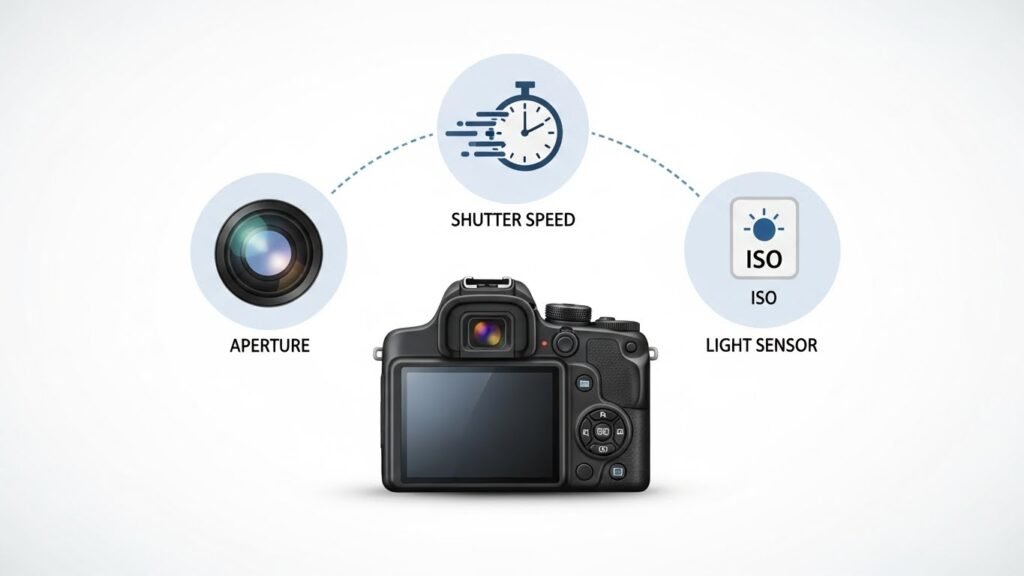
The Exposure Triangle
The exposure triangle is the foundation of every single photo. It consists of three main parts that work together for light. You must learn how they balance each other out in manual mode. Mastering this triangle is how you get the perfect shot every time. It is a huge milestone in how to start a photography business.
- Aperture controls how much light enters through the lens. It also decides how blurry your background looks in your portraits.
- Shutter Speed determines how long the camera sensor sees the light. It helps you freeze fast action or show smooth motion.
- ISO measures how sensitive your camera sensor is to the light. Higher ISO helps in the dark but can add grainy spots.
Compositional Foundations
Composition is how you arrange things inside your photo frame. It guides the viewer’s eye to exactly what you want them to see. Good composition makes even a simple subject look very interesting. It is an art form that you can practice every single day.
- Rule of Thirds involves splitting your screen into a grid of nine squares. Placing subjects on the lines makes the image feel balanced.
- Leading Lines use paths or fences to point toward your main subject. It creates a sense of depth and pulls the viewer in.
- Color Theory helps you pick outfits or backgrounds that look great together. Using colors that pop makes your work stand out more.
Gaining Real-World Experience
Assisting and Shadowing Professionals
Shadowing a pro is like getting a front-row seat to a real business. You get to see how they talk to clients and fix problems fast. Ask local photographers if they need an extra hand on their next shoot. This hands-on learning is faster than any book you could read. It builds your confidence before you go out on your own.
Paid Mentorships
Investing in a mentor can save you years of making mistakes. A mentor gives you direct feedback on your work and business. While it costs money, the knowledge you gain is worth every penny. They can teach you the secrets of how to start a photography business. Education is the fastest way to increase your prices and skills.
Portfolio Building with Friends and Family

Start by taking pictures of people you already know and trust. This gives you a safe space to practice your posing and settings. You can try new ideas without the fear of messing up a paid job. Use these early sessions to build a beautiful website portfolio. Your friends will be happy to help you get your start.
Harnessing Word-of-Mouth
Your friends and family are your first and best marketing team. When they share your photos on Instagram, their friends see them. This organic traffic is free and very powerful for new startups. Always ask your early clients to tag you in their posts. One good referral can lead to your first big paid gig.
Defining Your Business Niche and Strategy
Choosing Your Specialization
It is better to be an expert in one thing than okay at everything. Pick a few areas like weddings, branding, or portraits to focus on. This helps you learn the specific needs of those clients. When you specialize, you can charge more for your expert skills. Focusing your energy makes your marketing much more effective.
| Photography Niche | Target Audience | Key Equipment Needs |
| Portraits | Seniors, Families, Kids | Prime lenses, Reflector |
| Weddings | Engaged Couples | Two cameras, Zoom lenses |
| Branding | Small Business Owners | Wide lens, Studio lighting |
| Real Estate | Realtors, Homeowners | Tripod, Ultra-wide lens |
Becoming a Subject Matter Expert
Once you pick a niche, dive deep into learning everything about it. Read blogs and watch videos specific to that type of shooting. Clients want to hire the person who knows their needs best. Being an expert builds trust and helps you stand out. This expertise is vital for anyone learning how to start a photography business.
Developing a Formal Business Plan
A business plan is your roadmap for the next few years. Write down your marketing ideas and who you want to serve. Set short-term goals like booking your first five paid sessions. Also, think about long-term goals like opening a local studio. A plan keeps you focused when things get busy or tough.
Low-Cost Growth and Marketing Tactics
Utilizing Free and Affordable Resources
You do not need to spend a fortune on fancy classes yet. Use YouTube and Reddit to find free tips and gear reviews. Library books are also a great way to study lighting and posing. Take advantage of every free resource while you are starting out. This keeps your startup costs low while your skills grow high.
Strategic Free Work
Only work for free if it truly helps your business grow. Maybe you want to shoot at a famous local wedding venue. Or perhaps you need photos for a new SEO blog post. Never work for free just because someone asks you to. Make sure there is a clear benefit for your own portfolio.
Micro-Influencer Collaborations
Partner with local influencers who have a small but loyal following. Offer them a free session in exchange for a shoutout online. This puts your work in front of hundreds of local people. It builds your social proof and helps you gain new followers. Influencer marketing is a modern way to grow your brand fast.
Scaling Systems
Start with free tools for sending invoices and sharing your galleries. As you make more money, move to a paid CRM like Honeybook. These systems automate your tasks so you can focus on shooting. They make the client experience feel high-end and very professional. Scaling slowly prevents you from overspending on tools you don’t need.
Building a Professional Digital Presence
Developing a High-Converting Website
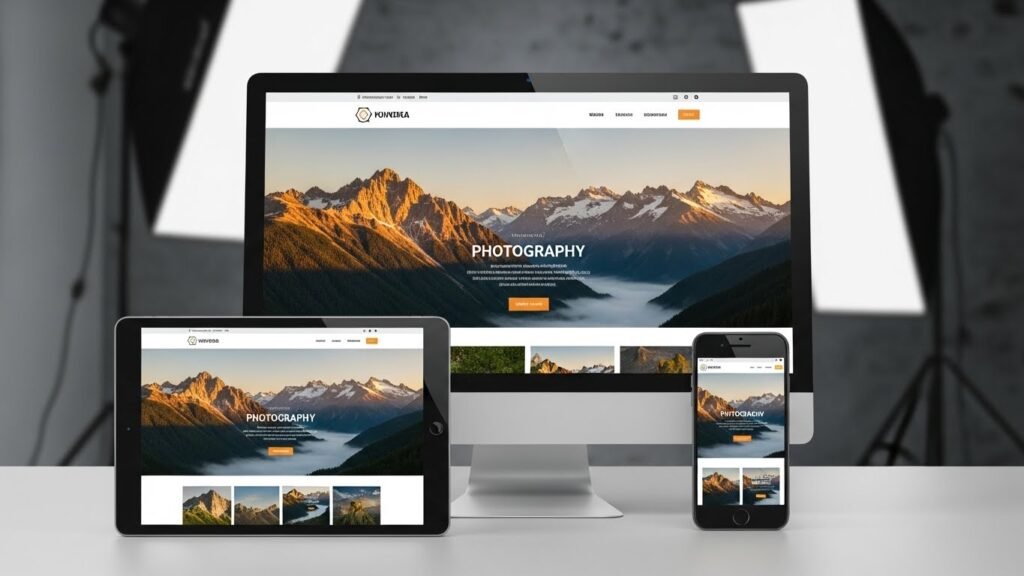
Your website is your online storefront where clients book you. Use platforms like Pixieset or Squarespace to build a beautiful site. Make sure it is easy to use on both phones and computers. A good website shows that you are a real, legal business. It is a central hub for your brand and your portfolio.
- SEO Optimization helps people find you when they search on Google. Use keywords like “how to start a photography business” in your text.
- Portfolio Curation means only showing your absolute best work. It is better to show ten amazing photos than fifty okay ones.
- Contact Forms should be easy to find so clients can reach out. Ask for their name, date, and what they need help with.
Social Media Strategy
Instagram and Pinterest are the best places for visual artists today. Share behind-the-scenes videos to show your personality to fans. Post consistently so your audience remembers who you are. Social media is a great tool for building a community around you. It drives traffic back to your website where people can book.
Mastering the Client Experience
Inquiries and Booking
Answer your emails as fast as you can to show you care. Clients often hire the first photographer who gets back to them. Offer a short phone call to see if you both get along. This builds a connection before the camera even comes out. A smooth booking process makes clients feel safe with you.
Pre-Session Preparation
Help your clients feel ready by sending them a style guide. Give them tips on what to wear and how to pick a spot. Use a questionnaire to learn about their family or their brand. The more you know, the better the photos will turn out. Preparation is the key to a relaxed and fun photo shoot.
Image Delivery and Feedback

Use a professional gallery service to deliver the final high-res files. It feels much more special than just sending a basic link. Once they have their photos, ask them to leave a review. Good reviews help you get hired by more people in the future. Delivering great service ensures they come back to you again.
Long-Term Growth and Sustainability
Pricing for Profit
You must know your costs to set prices that actually pay you. Calculate things like gear, software, and your local taxes. Do not just copy the prices of the person down the street. Your pricing should reflect your skill and the value you provide. Making a profit is the only way to keep your business alive.
Networking and Community
Build friendships with other local business owners like florists and venues. They can refer clients to you when they are asked for help. Avoid comparing your start to someone else’s middle journey. Stay focused on your own path and your own happy clients. A strong community will support you as you grow your dream.
Conclusion
Building a professional photography business from scratch is a journey that requires both creative passion and smart business planning. By following the steps in this guide, you have moved past the “hobbyist” stage and established a solid, legal foundation for your future. Success in this industry does not happen overnight, but it is achievable if you focus on consistent growth rather than instant perfection.
Remember that while your camera is a tool, your business systems are the engine that keeps everything running. Prioritize your legal registrations, manage your finances with care, and never stop learning the technical side of your craft. As you build your portfolio and connect with your local community, your reputation will grow alongside your skills.
Stay patient and keep practicing your art every single day. The most successful photographers are not just the ones with the best gear, but the ones who provide the best experience for their clients and run their businesses with integrity. You now have the roadmap to turn your love for photography into a thriving and sustainable career. Focus on one step at a time, and soon you will be looking back at a successful business that you built with your own two hands.
Frequently Asked Questions
What kind of insurance does a photography business need?
Beyond just gear insurance, you need general liability insurance. This protects you if a client trips over your tripod or if you accidentally cause damage at a wedding venue. Many venues will not even let you through the door without a certificate of insurance.
How much should I charge for my very first paid session?
A common starting point is a flat fee that covers your time and basic expenses. Research local beginners and price yourself slightly higher than your costs but lower than established pros. As your portfolio grows, you should increase your rates every five to ten sessions.
Can I start a photography business with a smartphone?
While modern phones have great cameras, most professional niches require the manual control of a DSLR or mirrorless camera. You can use a phone to build a social media presence and practice composition. However, for high-end client work, a dedicated camera body is necessary to handle low light and large prints.
Do I need a college degree to be a professional photographer?
No, a degree is not a requirement in this industry. Most clients care about your portfolio and your ability to deliver high-quality images. Investing in specific workshops and online business courses is often more valuable than a four-year degree.
How do I handle difficult clients who refuse to pay?
This is where your contract is your best friend. Always require a non-refundable retainer fee before the session takes place. If a client refuses the final payment, your contract should state that you will not deliver any final images until the balance is cleared.
Is it better to buy new or used photography gear?
Used gear is a fantastic way to save money when you are starting from scratch. Many reputable sites offer refurbished cameras with warranties. Buying used allows you to get a higher-quality lens for a fraction of the original price.
How long does it take to become profitable?
Most photography businesses take one to two years to see a consistent profit. The first year is usually spent reinvesting every dollar back into gear, marketing, and legal fees. Staying consistent with your marketing is the key to reaching profitability faster.
Should I have a studio or shoot on location?
Starting on location is much cheaper because you avoid the high cost of rent. Most portrait and family photographers prefer parks, urban areas, or the client’s home. You can consider a studio once your revenue is high enough to justify the monthly overhead.
How many photos should I deliver to a client?
Quality always beats quantity in the professional world. For a one-hour portrait session, delivering 30 to 50 edited images is standard. Providing too many photos can overwhelm the client and lower the perceived value of your work.
What is the best way to backup my digital files?
You should follow the 3-2-1 rule for data safety. Keep three copies of your files on two different types of media, with one copy stored off-site. Using external hard drives and a cloud backup service like Backblaze ensures you never lose a client’s memories.
Do I need to provide raw files to my clients?
Most photographers do not provide raw files because they are an unfinished product. Your editing is a huge part of your artistic brand and your value. Your contract should clearly state that only edited JPEG files are included in the package.
How do I find my specific editing style?
Finding your style takes time and hundreds of hours of practice. Look at photographers you admire and analyze what you like about their light and colors. Over time, you will naturally gravitate toward certain settings that become your signature look.
What should I do if my gear breaks during a shoot?
This is why professional photographers always carry a backup camera body and extra lenses. Even a cheap backup camera is better than having to tell a bride you cannot finish her wedding. Always check your gear the night before a session to ensure everything is working.
How do I market my business without using social media?
Networking with other local businesses is a powerful offline strategy. You can also use SEO to rank your website on Google so clients find you naturally. Participating in local community events or bridal shows can also generate leads.
What is a “retainer” and why is it important?
A retainer is a payment made upfront to secure a specific date on your calendar. It ensures that the client is committed to the session and protects your time. If the client cancels last minute, the retainer compensates you for the lost work day.
How do I pose people who feel awkward in front of the camera?
Focus on “prompting” rather than stiff posing. Ask your clients to walk, laugh, or tell a story to get natural reactions. Giving them something to do with their hands, like holding a prop or a partner’s hand, helps them relax.
Should I offer “mini sessions” as a beginner?
Mini sessions are great for a quick influx of cash and for meeting many new clients in one day. However, they can be exhausting and require very tight scheduling. They are best used during busy seasons like autumn or the holidays.
How do I stay motivated when business is slow?
Use slow seasons to update your website, blog, and business education. You can also reach out to past clients with special offers to encourage repeat business. Remember that every business has cycles and use the downtime to prepare for the busy months.
Can I run a photography business as a side hustle?
Absolutely, many successful photographers start while working a full-time job. You can schedule your shoots on weekends and do your editing in the evenings. This allows you to grow your business without the financial pressure of needing an immediate income.
What is the biggest mistake new photographers make?
The biggest mistake is spending too much money on gear before they have a solid business plan. Without marketing and a legal foundation, even the best camera will not make you money. Focus on the business side just as much as the creative side.