
The global business landscape is currently defined by a state of permanent volatility. In this environment, the Kellogg Innovation Network stands as a unique institutional response to the challenges of the twenty-first century. It is not merely a social club for executives or a traditional academic department; rather, it is a high-functioning ecosystem designed to turn collective intelligence into tangible progress. By fostering a culture where diverse leaders can converge, the network acts as a powerful engine for both corporate transformation and social advancement.
Introduction to the Kellogg Innovation Network (KIN)
At its heart, the Kellogg Innovation Network is an elite community of practice. It serves as a bridge between the theoretical rigor of one of the world’s leading business schools and the practical, often messy realities of global industry. While many organizations focus on incremental improvements, this network is dedicated to the kind of radical innovation that can redefine an entire sector.
The philosophy of the network is rooted in the belief that no single organization or individual has all the answers to today’s complex problems. By bringing together voices from academia, corporate boardrooms, and government offices, the network creates a “neutral ground” where traditional competitive barriers are lowered in favor of mutual growth. In this space, innovation is treated as a vital currency. It is the primary tool used to navigate disruption, ensuring that organizations do not just survive change but use it as a catalyst for new value creation.
The Foundation and Visionary Origins
The network traces its roots back to 2003, a time when the digital revolution was beginning to fundamentally alter the pace of global commerce. It was founded at Northwestern University’s Kellogg School of Management, an institution long recognized for its focus on marketing and collaborative leadership. The inception of the network marked a shift toward a more integrated approach to innovation management within the university setting.
Professor Robert C. Wolcott was the primary architect behind this vision. He recognized that senior leaders often lacked a safe, intellectual space to discuss high-level strategy and systemic challenges without the immediate pressure of quarterly earnings or political cycles. His goal was to move the school’s influence beyond the classroom and into the active world of global strategy.
The mission was defined by a sense of fearlessness. The network was designed to empower individuals to experiment with bold ideas that might be considered too risky within their own corporate structures. By utilizing systems thinking—a method of looking at how different parts of a global system interact—the network evolved into an “action tank.” This ensured that every discussion had a pathway toward real-world execution.
Quick Facts and Key Attributes
To understand the scale and scope of the network, it is helpful to look at its core structural attributes.
- Institutional Affiliation: The network remains deeply embedded within the Kellogg School of Management at Northwestern University, benefiting from its academic prestige.
- Core Focus Areas: The primary pillars of the organization include collaborative leadership, the promotion of sustainable development goals, and the transformation of legacy corporate structures.
- The Spinoff Legacy: The success and principles of the network eventually led to the birth of The World Innovation Network (TWIN), which expanded the model to an even broader global audience.
- Network Reach: Currently, the network’s influence spans over 30 countries, impacting sectors as diverse as retail, mining, healthcare, and financial services.
Membership Structure and Elite Ecosystem
The effectiveness of the network is largely due to its highly curated membership. Unlike open-enrollment programs, this network operates on an invitation-only basis. This exclusivity is maintained not for the sake of prestige alone, but to ensure that the dialogue remains at a high strategic level. When everyone in the room has a similar level of responsibility and experience, the speed of trust and collaboration increases significantly.
The participant profile is intentionally diverse. You might find a head of R&D from a Fortune 500 company sitting next to a high-ranking government policy influencer or the leader of a major international NGO. This “clash of perspectives” is where the most valuable insights are often generated.
The strategic direction of the network is overseen by the Senior Fellows Council. This group consists of rotating advisors who ensure that the organization remains agile and responsive to new global trends. Members are expected to be active contributors. Whether through intellectual capital, participating in specific research projects, or leading collaborative forums, the expectation is that every member adds value to the collective.
Flagship Programs and Collaborative Forums
The work of the network is realized through several high-impact programs designed to move ideas from the whiteboard to the field.
KIN Global Summit

The KIN Global Summit is the crown jewel of the network’s annual calendar. It is a multi-day event that brings together hundreds of leaders to engage in co-creation. The summit is notable because it eschews traditional “death by PowerPoint” presentations in favor of interactive frameworks. Attendees work together to pilot initiatives in areas like Artificial Intelligence ethics, climate change mitigation, and the evolution of capitalism. To stimulate the right side of the brain, the summit often incorporates creative methodologies such as design-thinking workshops and storytelling labs.
Catalyst Forums
While the summit provides the spark, the Catalyst Forums provide the sustained heat. These are long-term collaborative projects that typically last between 6 and 18 months. They are focused on deep-dive challenges that require more than a few days to solve.
- Digital Transformation: Forums have focused heavily on how healthcare systems can integrate new technologies while maintaining patient privacy and care quality.
- Urban Planning: These groups work on climate-resilient designs for the world’s growing megacities, ensuring that infrastructure can withstand the environmental pressures of the future.
Ecosystem Expeditions and Innovation Labs
To stay grounded in reality, the network organizes Ecosystem Expeditions. These trips take members directly into the heart of the world’s most vibrant innovation hubs. By visiting places like Tel Aviv, Berlin, or Silicon Valley, members get real-time exposure to how startup accelerators and venture capitalists are thinking. Complementing these trips are the Innovation Labs—smaller, more intimate settings where members can stress-test their specific business models and receive honest, peer-level feedback before going to market.
Impact on Global Entrepreneurship and Industry
The network has had a profound effect on how entrepreneurship is viewed within large organizations. It champions the idea that innovation should not be a siloed department, but a cultural mindset that permeates every level of a company.
For established entrepreneurs, the network provides a bridge to the resources of a major university and a global pool of mentors. For those just starting, it offers a roadmap for turning abstract concepts into viable, scalable businesses. One of the most significant impacts is the creation of cross-sector synergies. When a retail executive learns about supply chain efficiency from a mining engineer, the resulting “lateral thinking” often leads to breakthroughs that would never have happened in an industry-specific silo.
Tangible Achievements Across Sectors
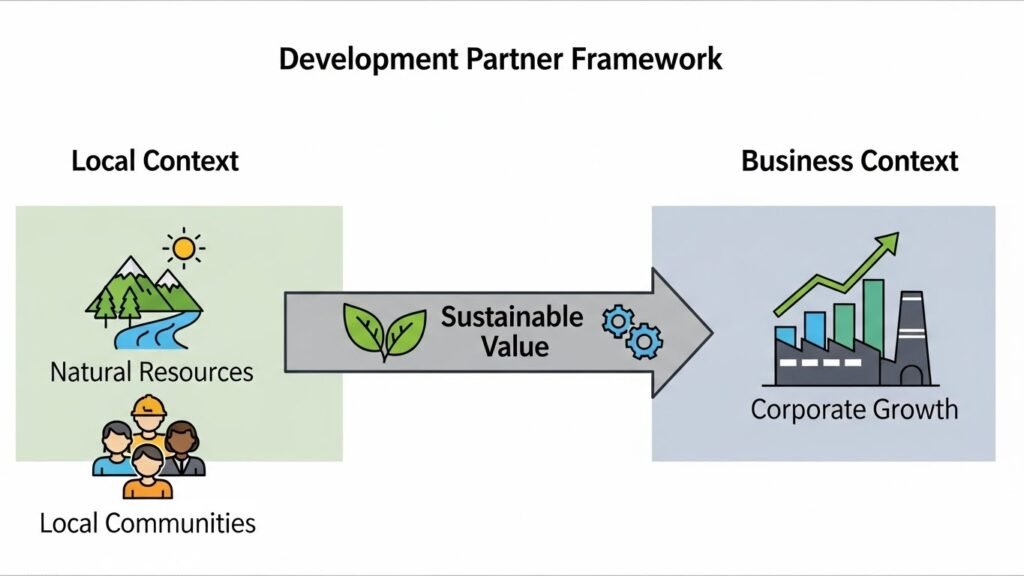
The legacy of the network is best measured by its real-world results. These are not just theoretical papers, but actual shifts in how global industries operate.
- Mining Industry Transformation: Perhaps the most famous success story is the “Mining Company of the Future” initiative. This led to the Development Partner Framework, a set of guidelines that helped major mining companies work more harmoniously with local communities and prioritize environmental sustainability.
- Sustainable Fashion: Through the network’s mentorship, several alumni have successfully launched retail ventures that prove ethical sourcing can be as profitable as traditional models.
- Healthcare Tech: Members have collaborated on the development of digital tools that increase mental health accessibility in underserved regions, proving that technology can be a force for social good.
- Corporate Partnerships: The active involvement of entities like Microsoft Ventures and the Ford Foundation demonstrates the network’s ability to unite capital with social purpose.
Thought Leadership and Academic Integration
The network acts as a two-way street for knowledge. While it takes ideas into the real world, it also brings real-world data back into the hallowed halls of academia. The research generated through these collaborations is often published in leading business journals and integrated into the Kellogg MBA curriculum.
Professor Robert Wolcott’s frameworks on scaling innovation in complex ecosystems are a direct result of the insights gathered through the network. This ensures that the next generation of business leaders is being taught strategies that have been battle-tested in the global marketplace.
Criticism, Controversy, and the “Ivory Tower” Debate
No organization of this scale is without its detractors. The most common criticism aimed at the network is its perceived exclusivity. Some argue that by limiting membership to elite leaders, the network risks creating an “ivory tower” environment that lacks the perspective of the broader public or smaller grassroots innovators.
There is also an ongoing debate regarding the scalability of its ideas. While the frameworks created at the summits are brilliant in concept, critics sometimes question whether they can be effectively applied by smaller organizations that lack the massive resources of a Fortune 500 company. The network has begun to address these concerns by opening certain sessions to a wider group of alumni and exploring more transparent communication channels.
Getting Involved with the KIN Community
For those interested in joining this ecosystem, the path usually begins with deep engagement with the network’s public-facing work.
- Online Presence: Exploring the official website provides a wealth of information on current research and membership application processes.
- Public Events: While many forums are private, the network does host public events and webinars that serve as an entry point for aspiring members.
- Digital Dialogue: Joining social media groups and online discussion forums dedicated to the school’s innovation initiatives allows outsiders to learn from the community’s collective wisdom.
- Active Contribution: High-potential innovators are often identified through their contributions to volunteer initiatives or their performance in university-sponsored innovation competitions.
The Road Ahead: Evolving for a New Era
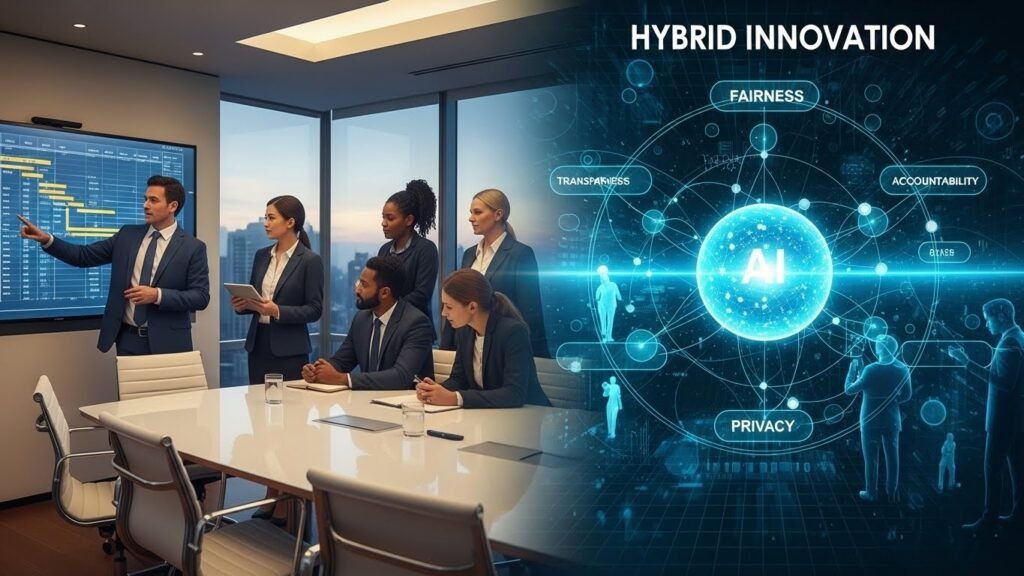
As we move further into the 2020s, the network is shifting its focus to meet the specific crises of this decade. This includes a heavy emphasis on digital ethics—ensuring that AI and big data are used responsibly—and systemic design that accounts for global geopolitical shifts.
The network is also exploring more “hybrid” models. This involves maintaining the elite, high-level strategic summits while simultaneously building local innovation hubs that can act more quickly on a regional level. This decentralization strategy is aimed at making the network’s insights more actionable and relevant to a broader range of global participants.
Future Goals and Strategic Plans
The long-term vision for the network is one of expanded influence and deeper integration.
- Global Mentorship: A major goal is to create a more formal bridge between veteran industry leaders and emerging entrepreneurs in developing economies.
- International Outreach: The network is looking to establish more permanent footprints in regions like Southeast Asia and Africa to better understand local innovation dynamics.
- Educational Sustainability: There is a concerted effort to make sure that “responsible innovation” is not just a buzzword, but a core component of how entrepreneurship is taught globally.
Summary and Final Perspectives
The Kellogg Innovation Network represents a fascinating crossroads in the world of business and academia. It is an acknowledgment that in a world of complex, interconnected problems, the old ways of working in isolation are no longer sufficient.
While it faces challenges regarding its elite nature, its track record of fostering meaningful industry change is undeniable. The future of global progress will likely be defined by the strength of these types of networks. By providing a platform where intentional strategy meets real-world action, the network ensures that the ideas of today become the solutions of tomorrow.
FAQs: Understanding the Kellogg Innovation Network
How does KIN differ from a standard MBA program at Kellogg?
While a standard MBA focuses on providing individual students with foundational business skills and career development, the Kellogg Innovation Network (KIN) is a specialized leadership platform. It focuses on senior-level collaborative problem-solving between existing industry titans and academic faculty, rather than the primary instruction of graduate students.
What are the specific costs associated with participating in KIN programs?
Participation in high-level KIN programs, such as the executive courses hosted at the Chicago campus, can cost approximately $11,500 per session. This fee typically covers instruction and materials but does not include travel or overnight accommodations, reflecting the high-value, executive-level nature of the engagement.
Is the Kellogg Innovation Network the same as The World Innovation Network (TWIN)?
KIN served as the foundational model and was originally an initiative of the Kellogg School. Over time, it evolved and expanded into an independent global organization known as The World Innovation Network (TWIN). While they share a lineage and co-founder in Robert Wolcott, TWIN operates on a broader international scale beyond the university’s direct administration.
How does the network manage intellectual property (IP) during collaborative projects?
The network emphasizes a contribution-based approach to intellectual property. Participants typically sign formal agreements that distinguish between Background IP (pre-existing knowledge brought to the table) and Foreground IP (new innovations created during the project). This ensures that collaborative breakthroughs have clear pathways for ownership or joint licensing.
Can non-Kellogg alumni join the network?
Yes. While the network is an initiative of the school, its membership is based on professional merit and invitation. Senior executives, policymakers, and innovative leaders from around the world are eligible for invitation regardless of their prior academic affiliation, though many members do share a connection to Northwestern University.
What is the role of “Proximity” in the network’s current research?
Under the guidance of Robert Wolcott, a major research focus is the concept of Proximity, which refers to the ability of digital technologies to bring value creation (production and provision) closer to the moment and place of demand. This research explores how industries like healthcare and manufacturing are shifting from centralized models to decentralized, “just-in-time” systems.
Does KIN provide financial aid or scholarships for participants?
Generally, because the network is designed for established senior leaders and funded by corporate or high-net-worth individuals, it does not offer traditional need-based financial aid. However, certain institutional grants or discounts (such as a 30% discount for Kellogg alumni) may apply to specific open-enrollment innovation programs.
How often does the KIN Global Summit take place?
The KIN Global Summit is an annual event. It serves as the primary gathering where the year’s collaborative research is shared, and new “Catalyst” projects are launched for the following eighteen months.
What is a “Peopleship” leader in the context of KIN training?
“Peopleship” is a leadership philosophy taught within the network’s innovation programs. It emphasizes human-centric capabilities, blending data-driven analytical skills with deep empathy and the ability to foster collaborative environments where teams feel safe to fail and innovate.
How does KIN ensure that its “exclusive” model remains diverse?
The network addresses the risk of an “ivory tower” mentality by intentionally inviting leaders from non-competing industries and varying sectors, including non-profits and government agencies. This cross-pollination of perspectives is designed to prevent groupthink and ensure that solutions are applicable across different societal layers.
What is the significance of the “Mining Company of the Future” project?
This was one of KIN’s most impactful real-world outcomes. It developed the Development Partner Framework, which fundamentally changed how global mining firms engage with host governments and local communities, shifting the industry focus from pure extraction to long-term sustainable development.
Can students at Northwestern University participate in KIN?
While KIN is aimed at senior professionals, Kellogg students often benefit indirectly. The research and case studies generated by KIN are frequently brought back into the classroom. Additionally, some high-performing PhD and MBA students may be invited to assist in research or attend certain summit sessions as observers.
What is the “Senior Fellows Council” responsible for?
The council acts as the strategic steering committee for the network. They are responsible for vetting new members, selecting the themes for the annual Global Summits, and ensuring that the network’s activities align with current global economic and social trends.
How does KIN integrate Artificial Intelligence into its innovation models?
The network explores AI through the lens of predictive efficiency. Current initiatives involve using AI to analyze large datasets on patents, grants, and publications to help leaders pinpoint where the next major technological breakthroughs are likely to occur, a process often referred to as the “science of science.”
What are “Ecosystem Expeditions”?
These are immersive, on-site learning journeys where KIN members travel to global innovation hotspots. Unlike a simple business trip, these expeditions involve deep-dive sessions with local startup founders, venture capitalists, and policy labs to understand the “secret sauce” of a region’s innovation culture.
How do Catalyst Forums differ from regular workshops?
Unlike short-term workshops, Catalyst Forums are sustained, long-term working groups. They meet periodically over 6 to 18 months to tackle a specific, pre-defined challenge, such as transforming digital healthcare delivery or creating climate-resilient cities.
Is the network involved in social impact or just corporate growth?
Social impact is a core pillar. KIN frequently partners with organizations like the Ford Foundation to ensure that innovation strategies are used not just for profit, but to address inequality, environmental sustainability, and ethical capitalism.
What happens if a collaborative project fails?
The KIN culture encourages risk-taking and “productive failure.” If a project does not meet its goals, it is documented as a case study for the community to learn from. The network teaches that understanding why an innovation failed is often as valuable as a successful market launch.
How can a company become a corporate partner of the network?
Corporate partnerships are usually established through direct engagement with Kellogg’s executive education or the network’s leadership team. Companies like Microsoft Ventures and Walmart have historically participated by providing both funding and high-level personnel to lead specific innovation tracks.
What is the main takeaway for a leader joining KIN?
The primary value is the shift in perspective. Leaders move away from siloed, industry-specific thinking toward a systems-level view of the world. They gain a global network of peers who can act as a “shadow board of directors” for testing bold, disruptive ideas.